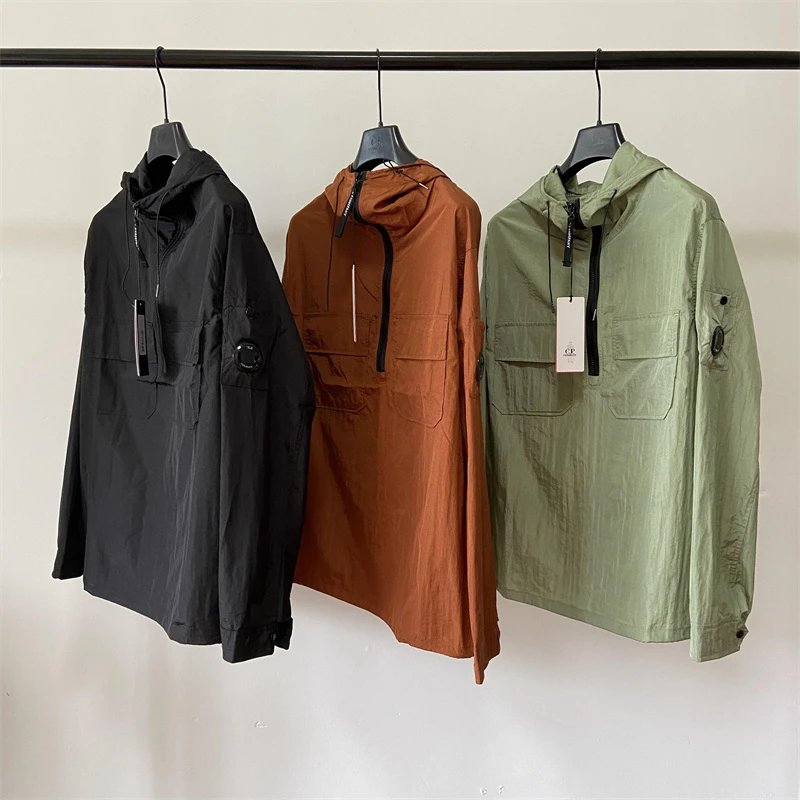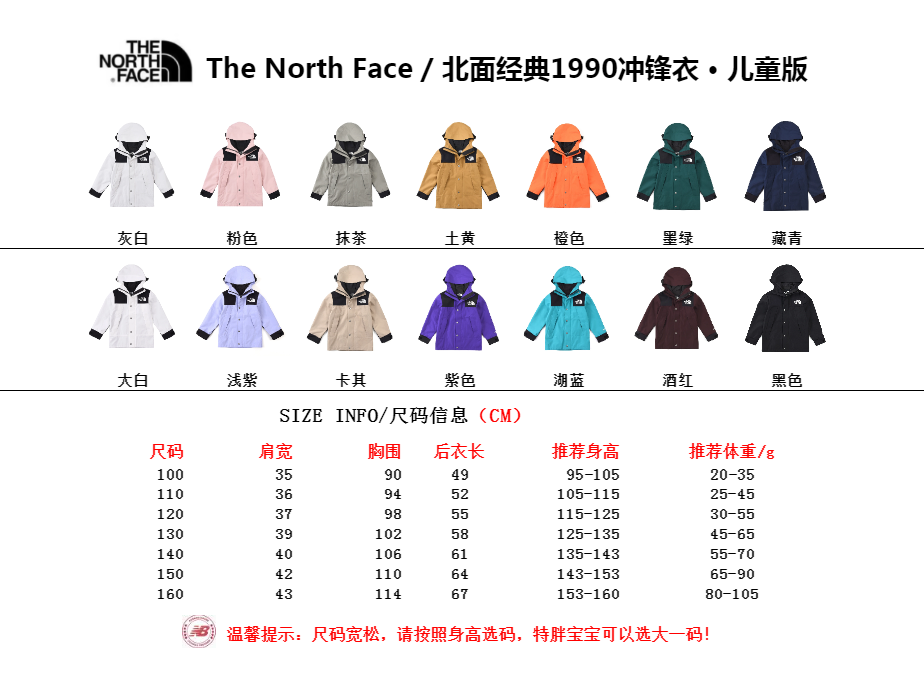
Yupoo is a real album-hosting platform, but asking whether “Yupoo is legit” is too broad to answer with one yes or no. Hosting an album does not verify every publisher, product claim, payment request or third-party agent. A better question is whether the specific seller, item reference and transaction method can be independently checked.
Separate platform identity from seller identity
A page can be technically hosted on Yupoo while the person controlling the album remains an independent publisher. The platform address does not establish an official brand relationship, product authorization, inventory ownership or customer-service standard. Look for consistent contact details and a history you can verify outside one message.
Be cautious when a contact abruptly changes domains, payment accounts or messaging identities. A catalog link helps identify an item, but it does not authenticate the person requesting payment.
Check the product evidence
Review the full image sequence and note whether photos consistently show the same item. Titles and category labels are navigation aids, not proof of material or condition. Reverse-image results can sometimes reveal copied images, but a unique image is not by itself a guarantee either.
Ask for current details with the item ID. If the reply describes a different color, code or album, pause and clarify. Do not let urgency replace a precise product match.
Assess the transaction path
Understand who will receive payment, what buyer protection exists, how disputes are handled and which terms apply. If an agent is involved, open the provider's official site yourself and review its current policies. Do not assume an agent named in a community post is officially connected to an album owner.
Avoid exposing unnecessary personal information in an initial inquiry. A product question usually needs an item ID and variation, not account passwords, identity documents or remote access to your device.
Use a repeatable risk checklist
A good checklist slows the process just enough to surface inconsistencies. It cannot remove every risk, but it prevents common errors such as paying the wrong contact, approving a different item, or relying on a claim that was never in the source record.
- Verify the exact album owner and contact path.
- Match item ID, photos and requested variation.
- Read payment and refund terms before sending funds.
- Confirm agent and shipping rules on official pages.
- Keep receipts, URLs and messages together.
Use evidence that can fail, not signals that only reassure
Useful verification asks what evidence would reveal a mismatch. A long-running album, polished photographs or a busy community mention may provide context, but none proves that the person in your current conversation controls the original account or will follow a particular policy. Stronger checks connect independent facts: the contact path appears consistently on an established source, the product code matches across the album and inquiry, the payment destination was confirmed through that path, and written terms explain what happens if the item cannot be supplied. Each check can expose a specific inconsistency rather than merely creating confidence.
Treat urgency as a condition to evaluate. Limited availability may be real, but a request to bypass your normal checks, move to a new account, install software or disclose credentials changes the risk of the transaction. Slow down when the requested action is difficult to reverse. A product inquiry should not require remote access, a one-time login code, a password, a wallet recovery phrase or unrestricted identity information. When a service genuinely needs identity verification, confirm the requirement and privacy handling on its official domain before uploading anything.
Images also need a skeptical but practical reading. Consistent photos can help you identify a record, yet copied photography is possible and reverse-image searches have limits. Ask for current, item-specific clarification through the verified contact path when a visual point matters. Do not demand improvised evidence that exposes another person's private data or assume that a handwritten note settles every question. The goal is to reduce ambiguity around the exact item and transaction, not to create a ritual that a determined impersonator can imitate.
Decide in advance what would make you stop. Examples include a product code that no longer matches, unexplained pressure to use an irreversible method, a newly introduced domain with no verifiable relationship, or refusal to provide applicable terms. A stop rule protects you from rationalizing each warning after time has already been invested. No checklist makes an online transaction risk-free, and this catalog does not certify sellers or agents. It gives you a stable product reference so that your independent checks begin with the right item.
- Verify contact continuity from the original source.
- Match the item ID, code and images.
- Read transaction and dispute terms in advance.
- Reject requests for credentials or remote access.
- Use a prewritten stop rule when key facts change.
Useful tips
- Treat guarantees in chat as claims until documented.
- Do not infer reviews or ratings that are not present.
- Use unique passwords on agent accounts.
- Pause when details change during the handoff.
Common questions
Does Yupoo verify product authenticity?
An album page alone does not provide that proof. Do not infer authenticity from hosting, images or a brand label.
Is WhatsApp confirmation enough?
It is useful for clarifying the item, but transaction protection depends on the payment and service terms you choose.
What is the biggest warning sign?
A mismatch between the item reference, contact identity or payment destination is a strong reason to stop and verify again.