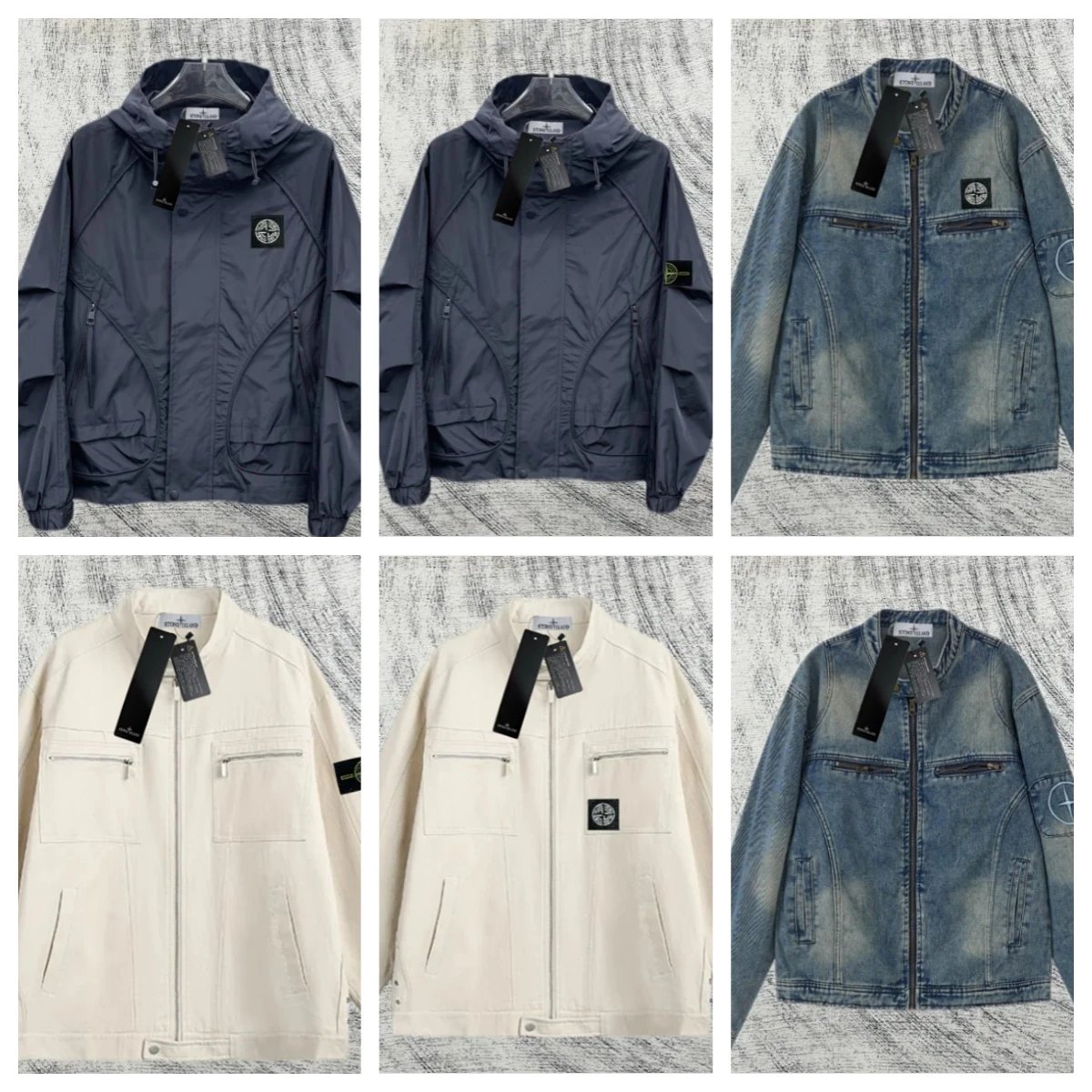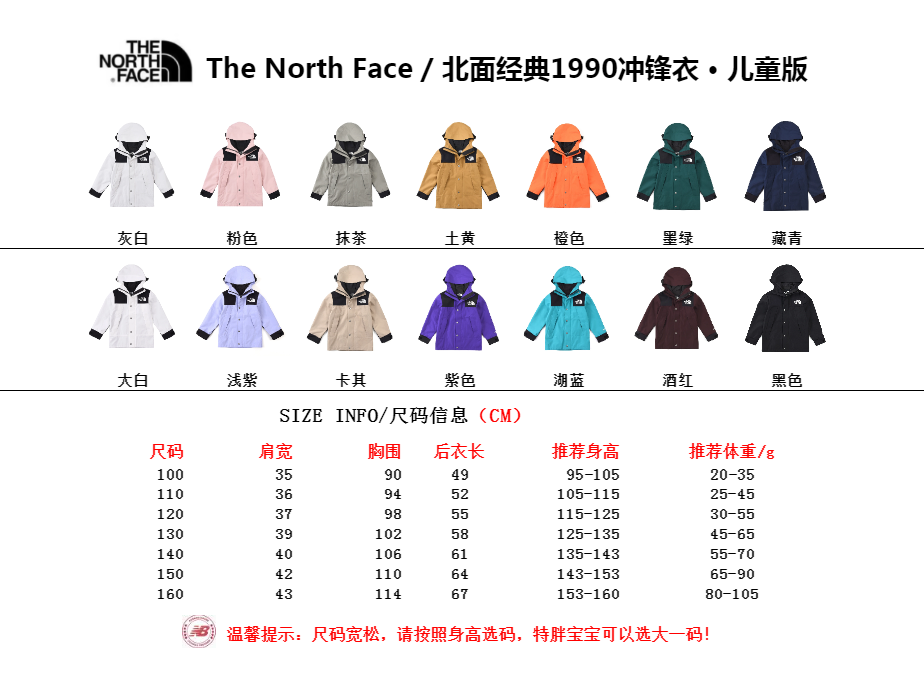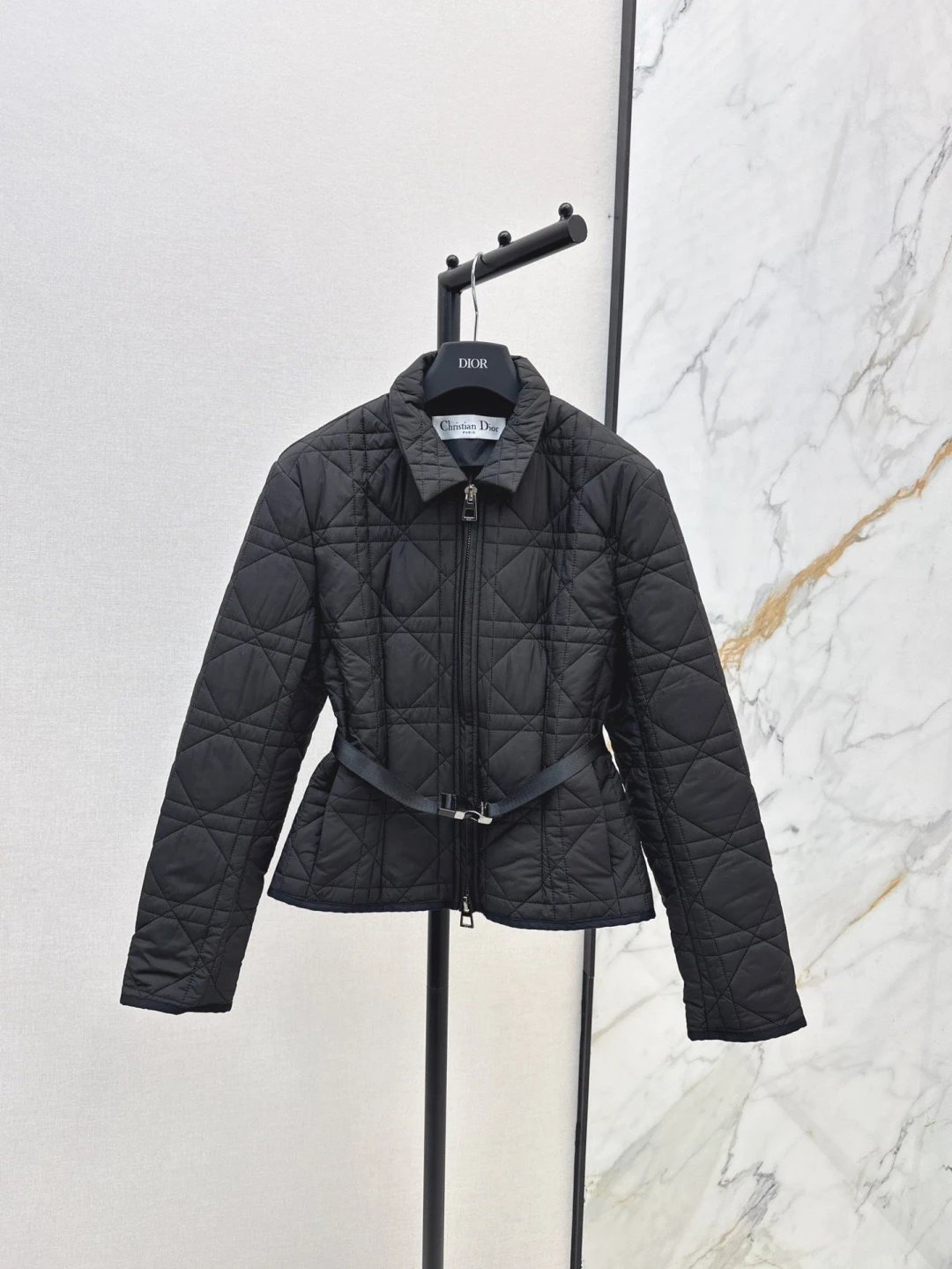
Yupoo organizes public media into owner profiles and albums. An album usually has its own identifier, title, cover and ordered images. Publishers can update an album without changing its basic link. A separate catalog can mirror selected metadata and images, add stable item IDs, and build category navigation without pretending to be the album platform itself.
Profiles, albums and photos
The owner profile is the top level. Categories or collections may divide its albums. Each album then holds a sequence of photos and a short text record. The same visible price-like number can be part of a title rather than a checkout value, so a catalog should not automatically turn it into an offer.
Album IDs are useful source references. Catalog item IDs serve a different purpose: they remain concise for search and customer messages even if titles are edited.
What synchronization does
A responsible sync reads public source metadata, deduplicates by source ID, preserves image order and records when the source changed. It should not overwrite hand-edited SEO fields without an explicit rule. Media can be mirrored in controlled batches so the public site stays responsive while the collection grows.
Synchronization is not verification of every product claim. It records what the source published and keeps the catalog navigable. Editorial labels should remain separate from source text.
Why stable URLs matter
Search engines and people both benefit when one product keeps one canonical URL. OnetooneYupoo builds item URLs from the numeric ID and a readable title with the brand removed. The numeric portion is authoritative. If wording changes, the old form should redirect to the current canonical page rather than create a duplicate.
Filter and search URLs are useful for visitors but can create thousands of combinations. They therefore use noindex while category, brand, guide and item pages provide the stable indexable structure.
From viewing to inquiry
The catalog has no checkout and does not publish a price. Its job is to help you discover an item, examine the available images and send an unambiguous reference. The prepared WhatsApp message carries the item ID, name and page URL.
- Browse or search the catalog.
- Open the canonical item page.
- Review images and category context.
- Send the prepared inquiry.
- Confirm current information before taking a separate buying step.
What changes when an album becomes a structured catalog record
An album is primarily a presentation unit; a catalog record is a data unit. During ingestion, the system associates the source album identifier with one internal product, preserves the original title and description in source fields, and stores images in their source order. A normalized public title can then be edited without erasing the original. Categories, brands and tags are separate relationships, which means an editor can correct navigation without rewriting the identity of the product. This separation is essential when thousands of albums need to remain searchable over time.
A synchronizer should be idempotent: seeing the same source album twice must update the intended record rather than create a second product page. Images need stable keys as well. New files can be added in later passes, while an existing local file should not be blindly overwritten. Operational timestamps record when synchronization occurred; source timestamps retain what the publisher exposed. Mixing these fields would make a routine deployment look like a product update and would produce misleading sitemap dates.
Publication is a distinct decision. A source record can exist as a draft while editors check its title, category, imagery and index setting. Published records appear in the spreadsheet and may enter product sitemaps; drafts and archived records do not. The same rule applies to videos. Finding an MP4 on disk is not enough to publish a VideoObject page. Someone must review what is visible, write a factual description and connect it to a product or category only when the match is supported.
At request time, the numeric prefix of an item URL identifies the database record. The readable remainder helps people and search engines but is not trusted as the primary key. If an editor changes the wording, the application redirects the old form to the current canonical URL and records an exact redirect for the web server. This design avoids duplicate pages while allowing copy to improve. It also explains why users should include the numeric ID in messages: the identifier survives editorial cleanup that a copied title may not.
- Ingest by stable source identifiers.
- Preserve source and editorial fields separately.
- Review records before publication.
- Use numeric IDs as the public identity anchor.
- Redirect obsolete URL forms to one canonical page.
Useful tips
- Bookmark the item page, not a search query.
- Expect source albums to change over time.
- Use categories for exploration and IDs for exact lookup.
- Treat mirrored media as reference imagery, not new claims.
Common questions
Why can an album have more images later?
Publishers can update albums. A scheduled sync may add newly available images while keeping the same product record.
Why remove brands from item URLs?
The ID provides stability and avoids making the URL depend on a label that may be edited or ambiguous.
Are search pages indexed?
No. Search results are intended for navigation and use noindex,follow to avoid duplicate query pages.